As professional floor installers, we often get asked about the difference between solid timber and engineered timber flooring. Many homeowners love the classic look of real wood but are concerned about cost, durability, or how it handles changing weather. That’s where engineered timber comes in — offering the beauty of natural timber with added stability and flexibility.
What Is Engineered Timber Flooring?
Engineered timber flooring is real timber flooring—but designed with a smarter structure. Unlike solid timber planks, which are made from a single piece of hardwood, engineered timber boards are made up of multiple layers.
- The top layer is a veneer of genuine hardwood (such as oak, spotted gum, or blackbutt), giving it the same natural appearance and feel as solid wood.
- The core and bottom layers are made of plywood, high-density fibreboard (HDF), or softwood layers that are cross-laminated for strength and dimensional stability.
This layered construction helps reduce movement from moisture or temperature changes—making it a smart choice for many Australian homes.
Why We Recommend Engineered Timber Flooring
As someone who installs flooring daily, I’ve seen firsthand the advantages engineered timber offers, both for new builds and renovations.
✅ Real Timber Look and Feel
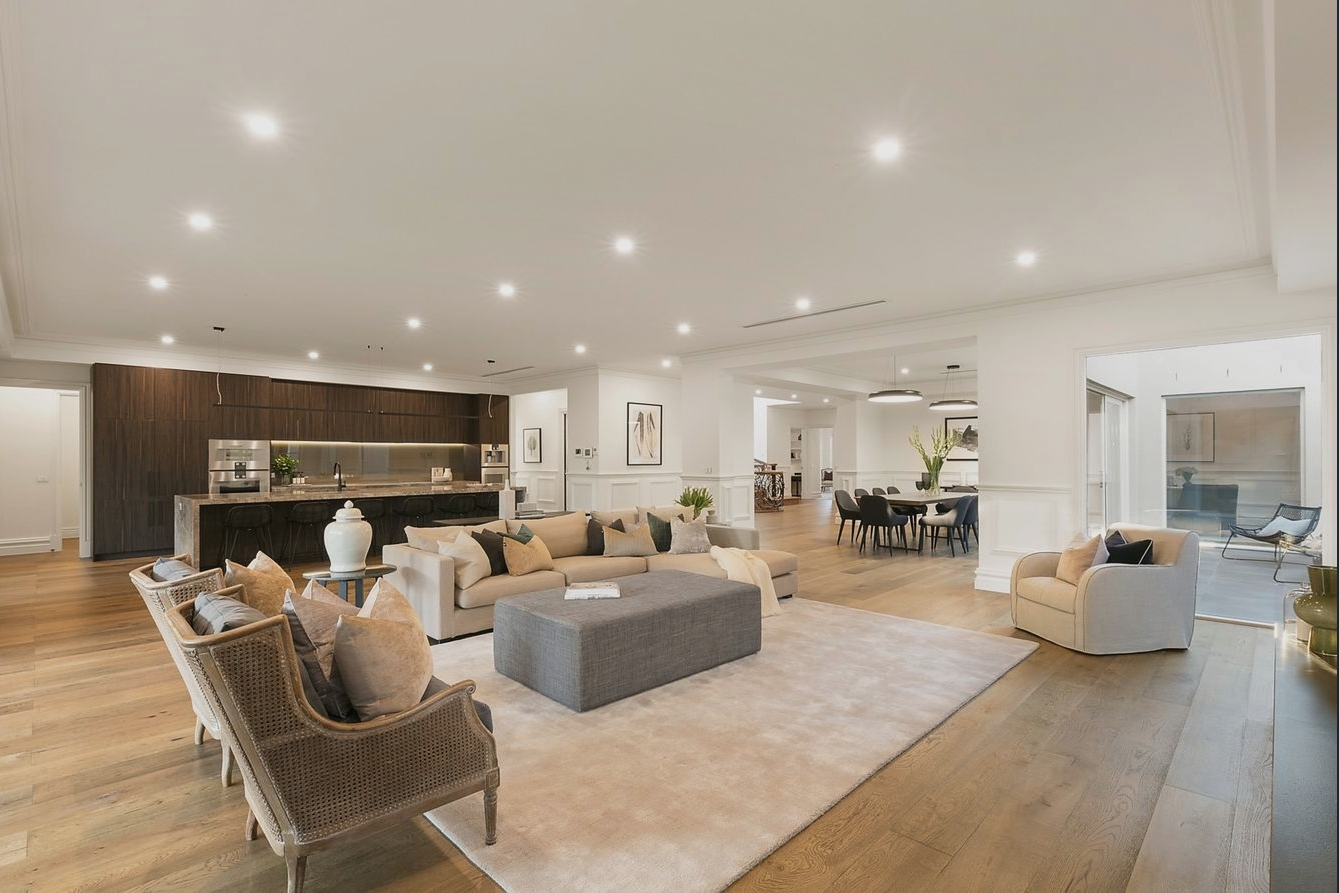
Because the top layer is actual hardwood, you still get that authentic timber grain, warmth, and texture. You wouldn’t be able to tell the difference just by looking.
✅ Greater Stability
Engineered boards are less likely to expand, contract, or warp with humidity or seasonal changes. This makes them ideal for homes with underfloor heating or in areas with high humidity.
✅ Easier Installation
Many engineered timber boards come with tongue-and-groove or click-lock systems, making installation faster and cleaner. They can be installed as a floating floor or glued down depending on your subfloor and preference.
✅ Sanding and Refinishing Options
Depending on the thickness of the top veneer layer, some engineered timber floors can be lightly sanded and refinished once or twice—extending their life even further.
Engineered Timber vs Solid Timber
| Feature | Engineered Timber | Solid Timber |
|---|---|---|
| Core Structure | Plywood / HDF + Timber Layer | 100% Solid Hardwood |
| Stability | High (resists warping/shrinkage) | Moderate (reacts to climate) |
| Installation Options | Floating or Glue-Down | Nail or Glue-Down Only |
| Sanding/Refinishing | Limited (1–2 times max) | Multiple Times |
| Cost | More Budget-Friendly | Higher Material & Labour Cost |
Where Engineered Timber Works Best
- Apartments & Multi-Story Homes: Engineered timber is often lighter and can be laid over acoustic underlay to reduce noise.
- Renovations: Because of its thinner profile, it’s easier to match existing floor heights.
- Living Areas & Bedrooms: Anywhere you want the warmth and luxury of real wood without the worry of seasonal changes.
Installer’s Tip: Subfloor Matters
Before installing engineered timber, I always check the subfloor thoroughly. A level, dry, and clean base is essential for a long-lasting floor. Whether floating or glued down, proper preparation ensures your floor performs and looks its best for years to come.
Final Thoughts
Engineered timber flooring gives you the best of both worlds — the look and feel of solid wood with enhanced stability, ease of installation, and a more affordable price point. It’s a versatile option that suits modern homes, heritage restorations, and everything in between.
If you’re thinking of installing engineered timber flooring, speak to an experienced installer who can guide you through the options, preparation, and process. With the right advice and expert installation, you’ll enjoy the timeless beauty of timber with peace of mind.